
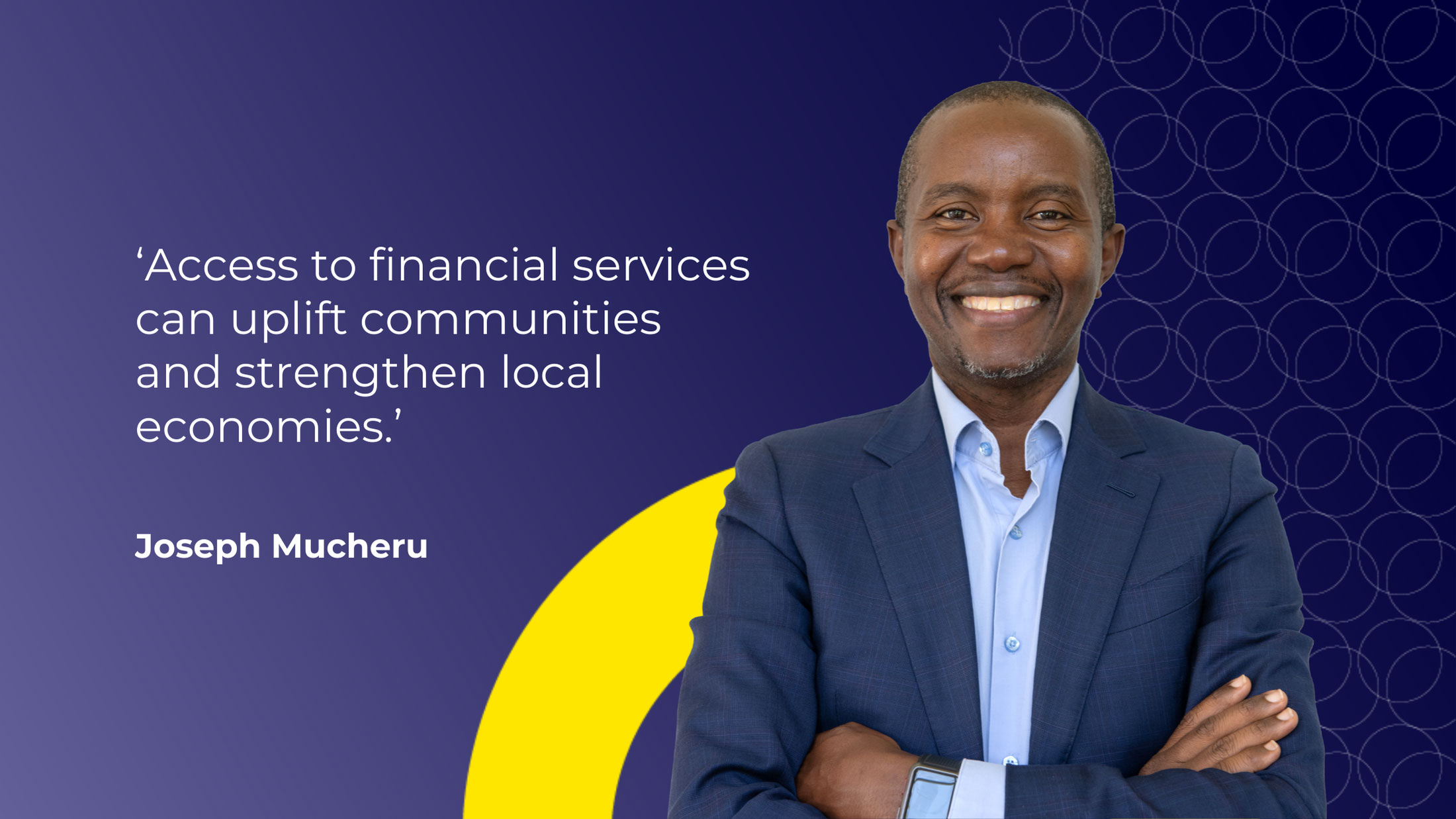
Amid global economic recovery, Africa’s resilience remains a defining feature of its economic narrative. In 2025, digital infrastructure and mobile money services are poised to be catalysts for growth, empowering entrepreneurs and small businesses to transform the continent’s economy. As the President of JUMO, Joe Mucheru emphasises how technology can bridge financial gaps.
The African Economic Outlook highlights that, despite ongoing structural challenges, the continent is on a positive growth trajectory. Real GDP growth is projected to rise from 3.7% in 2024 to 4.3% in 2025, driven by innovation, and economic diversification. Financial technology is playing a pivotal role in this growth, offering critical access to financial services for entrepreneurs and MSMEs (micro, small, and medium enterprises), which are the backbone of sub-Saharan Africa’s economy.
Building economic resilience
Mobile money services and products have redefined access to finance in Africa, with over 800 million mobile money accounts registered across the continent. These platforms enable individuals and businesses to easily access savings, credit, and insurance products. For MSMEs, this access is transformative in various ways:
- Entrepreneurs who previously operated in cash-based systems now have digital wallets, enabling secure transactions and access to credit.
- Digital banking reduces transaction costs and barriers to access to finance, enabling MSMEs to reinvest in their businesses.
- According to our data, more than 50% of MSMEs employ at least one additional person, amplifying their economic impact on local communities.
At JUMO, we’re proud to power the tech infrastructure for banks and mobile network operators to provide tailored credit and savings products. Our AI-driven capabilities connect millions of small businesses to capital and financial tools, creating opportunities for growth and prosperity.
MSMEs: The cornerstone of growth
MSMEs represent over 90% of businesses and 60% of employment globally. In Africa, this is no exception. However, many face challenges such as limited access to credit and a lack of financial literacy. The work we do at JUMO can fill these gaps by:
- Making micro-loans available to entrepreneurs to grow their businesses.
- Providing data-driven insights to help make credit decisions that protect capital and reduce the risk of over indebtedness.
- Enabling mobile-based payments, which streamline operations and promote customer convenience.
At JUMO, we’ve seen how access to financial services can uplift communities and strengthen local economies. By tapping into the power of advanced AI algorithms, we create credit profiles for small businesses, enabling them to access loans that fit their needs. These businesses, in turn, generate income, create jobs, and drive sustainable growth in hyper local economies, fostering broader economic development.
Fintech and the future of financial inclusion
The combination of fintech and AI is unlocking additional opportunities for financial inclusion. With the power of mobile phone data, transactional data and predictive analytics, JUMO can ascertain credit scores for individuals and businesses that traditional banks often overlook.
AI-driven credit scoring has revolutionised lending in Africa, eliminating the need for collateral or a formal credit history. This means informal traders can access loans that were once out of reach, helping them grow their businesses without the burden of prohibitive compound interest or rigid repayment terms. Additionally, automation is streamlining operations, allowing fintech companies to lower costs and pass on those savings to users, making financial services more affordable and accessible to all.
Our AI powered infrastructure for banking is able to process millions of data signals every second, enabling us to build efficient, scalable solutions that support financial ecosystems across Africa.
Challenges and the path ahead
Of course, no progress comes without its challenges. As technology advances, regulatory frameworks must evolve to keep up, ensuring that customer data is secure, and systems remain fair. Financial education is also crucial so entrepreneurs can make informed choices.
Here’s how we’re tackling these challenges:
- World-class governance: We uphold transparency and ethical data practices aligned with global standards.
- Capacity building: We partner with financial institutions to design products that truly cater to underserved communities.
- Advocacy: We work with policymakers to shape regulations that foster innovation while protecting consumer rights.
As we look toward 2025, we’re excited about what’s ahead. By harnessing the power of technology and collaboration, we can empower entrepreneurs, uplift communities, and help create a brighter economic future for Africa.
For more on how JUMO is transforming financial ecosystems across emerging markets, check out our blogs.